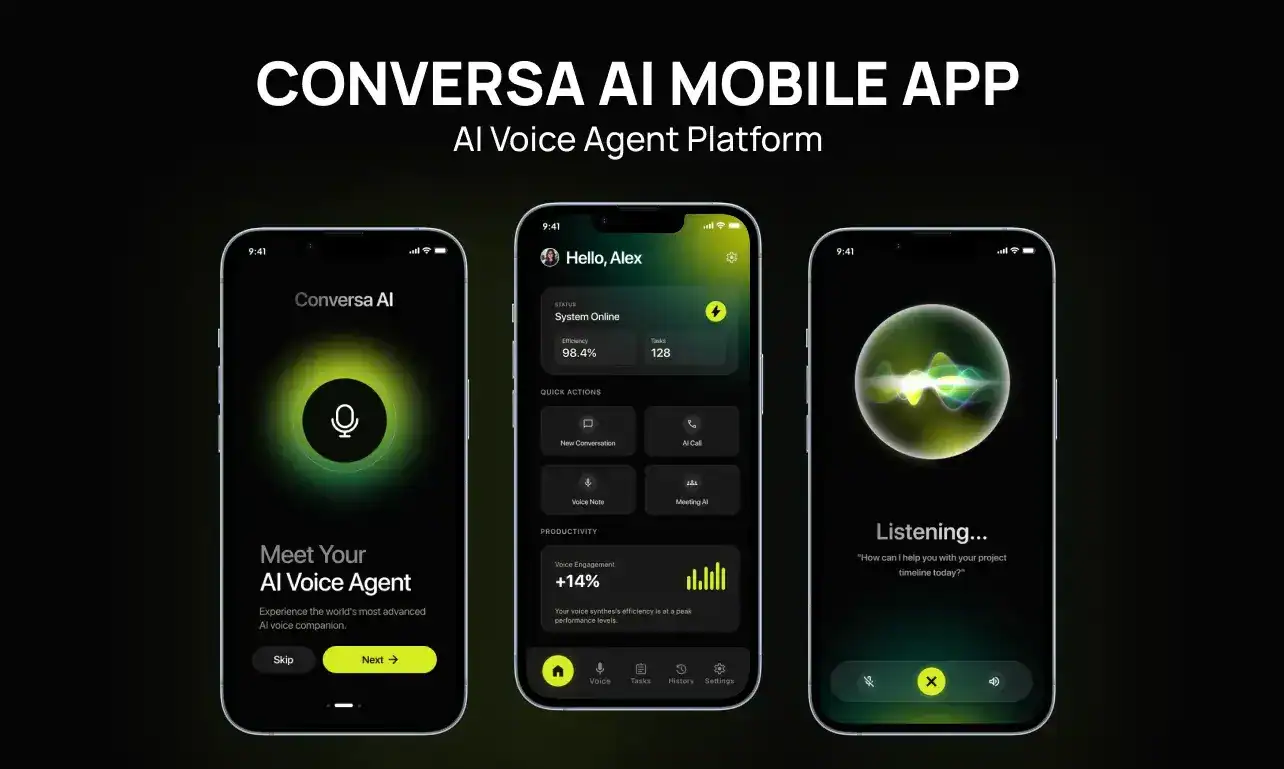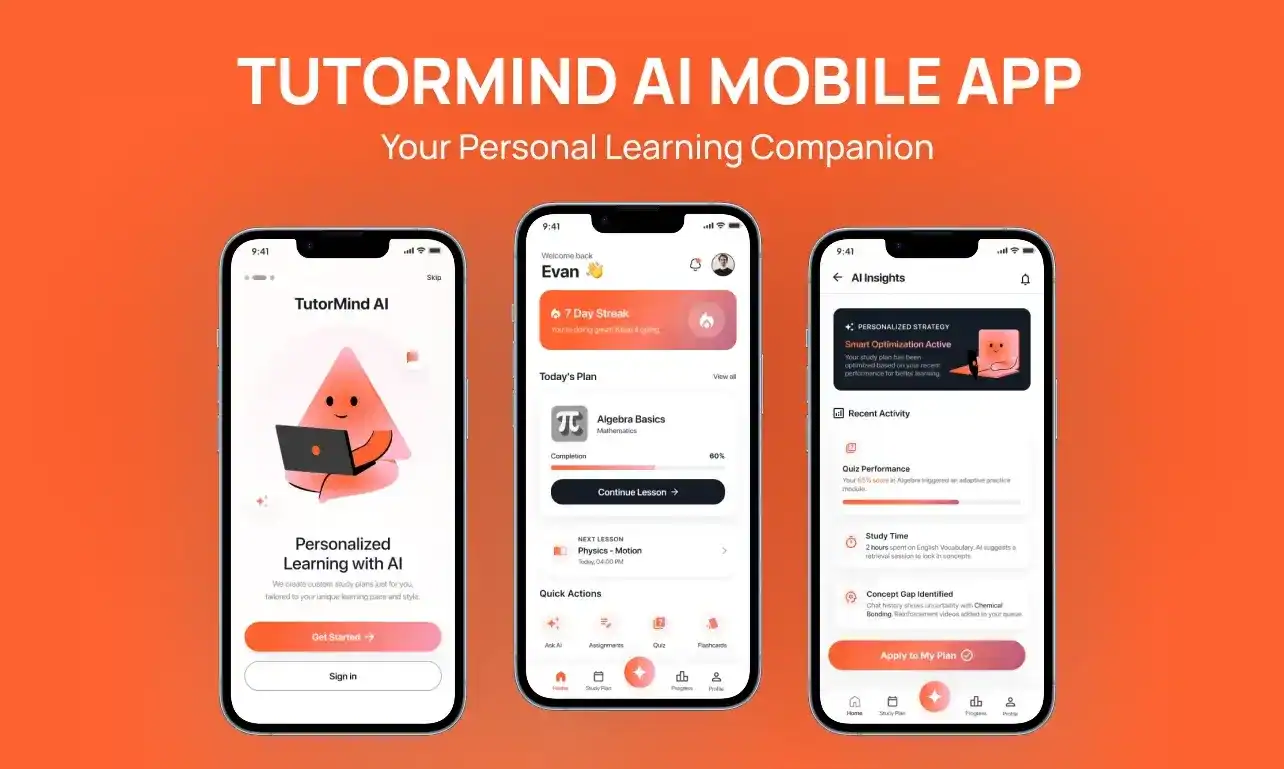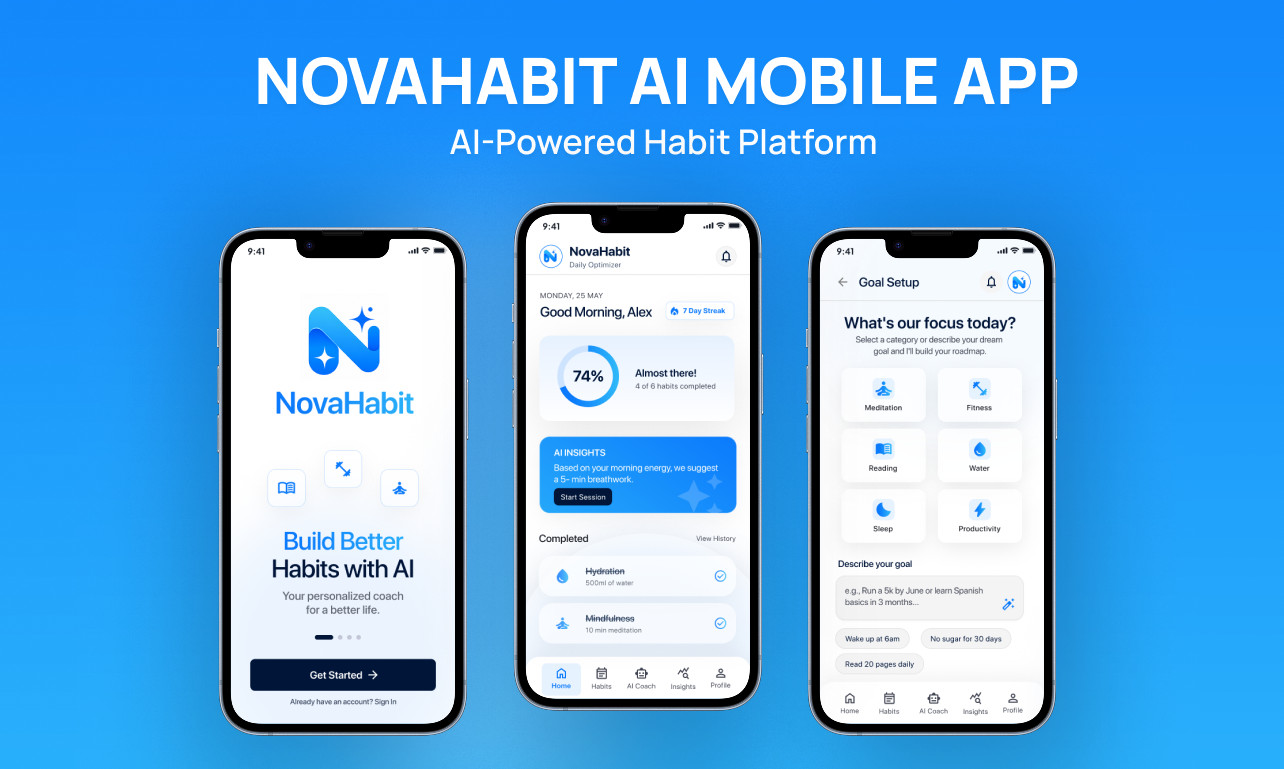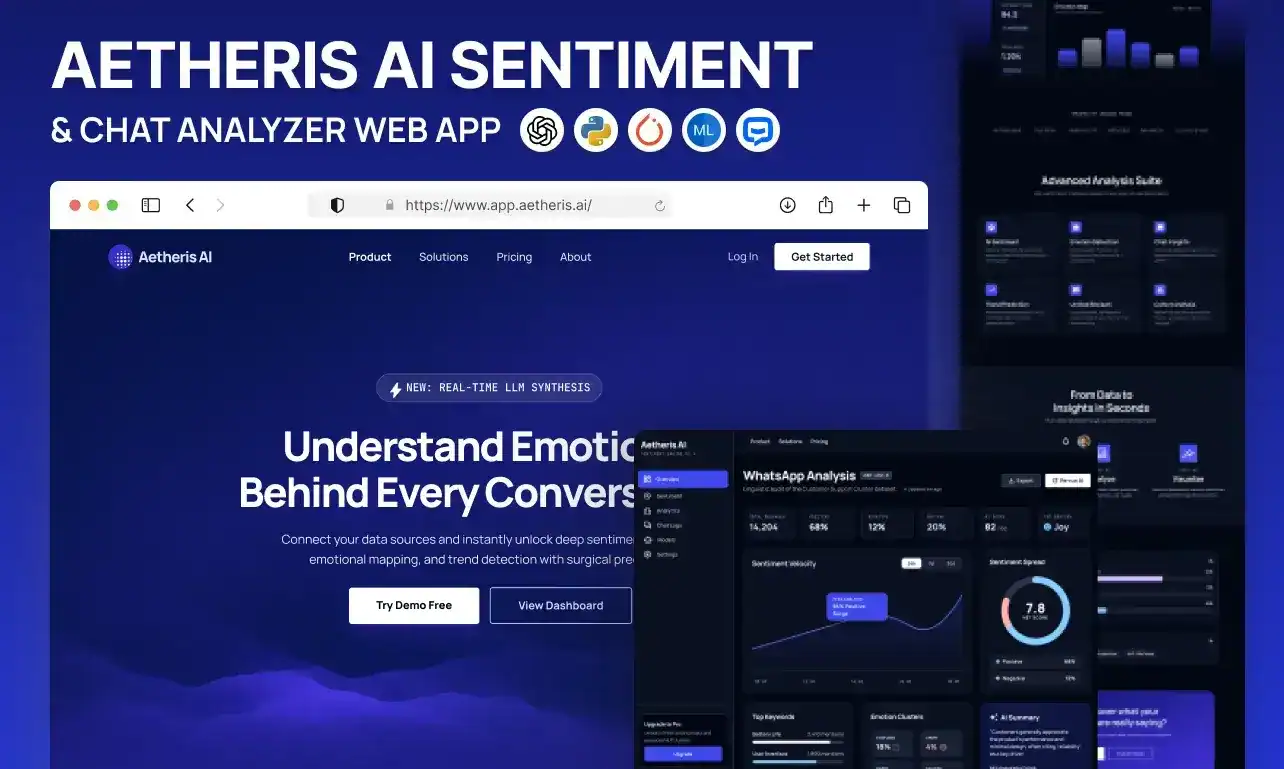



Software architecture blueprint lighting up with intelligence — the Ciphers Lab AI-native approach

AI-NATIVE APPROACH

How We Build AI-Native Software

"AI-powered" is a label anyone can print. Here's exactly what AI-native means at Ciphers Lab — our stack, our process, and the products we've shipped.

DEFINITION

AI-native vs. AI bolted on

Most software is built first and "AI-ified" later — a chatbot in the corner, a summarize button nobody asked for. AI-native means the opposite: we decide where intelligence belongs before architecture is set, so data models, infrastructure, and interfaces are all built to support it. The result is AI that feels like the product, not a plugin.

Comparison: a block with an AI module clamped on, next to a glass block with intelligence running through it

Bolted on

  • Chatbot added after launch
  • Data model not built for retrieval
  • No evaluation, no cost control

AI-native

  • Agent workflows designed into the product
  • Vector-ready data from the first sprint
  • Evals and monitoring shipped with the feature

HOW WE BUILD

The Ciphers AI-Native Stack

We don't treat AI as a checkbox at the end of a project. Every product we build runs through three layers of expertise, working together from day one.

The Ciphers AI-Native Stack: Intelligence, Experience and Engineering layers connected as one system
01

Intelligence Layer

LLM integration, agentic workflows, RAG pipelines, and vector search — built with LangChain, LangGraph, CrewAI, AutoGen, Pinecone, and PgVector. This is where we decide what your product should know and do on its own.

What we build

  • LLM feature integration (OpenAI, Claude, Gemini, Llama, Gemma — chosen per use case, not by default)
  • Multi-agent systems and agentic workflows (CrewAI, AutoGen, LangGraph)
  • Retrieval-augmented generation (RAG) over your documents and data (LangChain, Pinecone, PgVector, Chroma)
  • Speech and vision (Whisper, Stable Diffusion) where products need them
  • Model evaluation, prompt regression testing, and cost/latency optimization
02

Experience Layer

UI/UX designed for how people actually interact with intelligent products — streaming responses, agent status, human-in-the-loop controls. AI features fail when the interface is an afterthought. Ours never is.

What we design

  • Interaction patterns for AI: streaming output, citations, confidence and fallback states
  • Human-in-the-loop controls — approve, edit, and override flows for agent actions
  • Onboarding that teaches users what the AI can and can't do
03

Engineering Layer

Full-stack, cloud-native infrastructure — Next.js, Node, FastAPI, Kubernetes, AWS/Azure/GCP — that takes AI from demo to production and keeps it fast, secure, and observable.

What we ship

  • Full-stack product engineering: React/Next.js, Node, FastAPI, Django, Flutter, React Native
  • Cloud and inference infrastructure: AWS, Azure, GCP, Kubernetes, Docker
  • Observability for AI features: usage analytics, output logging, eval dashboards

OUR APPROACH

Our AI-native process

Seven steps, one team. Intelligence is scoped at the start and evaluated at the end.

  1. 01

    Discovery & AI Opportunity Mapping

    We start every engagement by mapping where intelligence belongs in your product: which workflows an agent can own, where an LLM adds real value, and where plain software is the right answer. You get an honest AI scope — including what not to build.

  2. 02

    UI/UX Design

    Research, flows, wireframes, and high-fidelity interfaces, validated with users before development begins. For AI features, we design the states that matter: streaming, uncertainty, and human-in-the-loop control.

  3. 03

    Intelligence Engineering

    Model selection, prompt and agent architecture, RAG pipeline design, and evaluation harnesses — built with LangChain, LangGraph, CrewAI, and the vector store that fits your data.

  4. 04

    Web Development

    Frontend and backend engineering on React, Next.js, Node, and Python, delivered in short sprints with working software at the end of each one.

  5. 05

    Mobile Development

    Native and cross-platform apps for iOS and Android, built against the same APIs and design system as the web product.

  6. 06

    Cloud & Deployment

    Infrastructure as code, CI/CD, and monitored releases on AWS, Azure, or GCP — including GPU/inference infrastructure and model-cost monitoring where AI workloads demand it.

  7. 07

    Testing & AI Evals

    Automated test suites cover every release. AI features get their own evaluation suites — regression tests for prompts, hallucination checks, and output-quality scoring — so intelligence ships with the same rigor as code.

FAQ

Questions CTOs ask us

We already have a dev team — can you add just the AI layer?

Yes. Our AI & Agent Engineering team regularly integrates with in-house teams, delivering the Intelligence Layer while your team owns the product.

Which model providers do you work with?

All major providers — OpenAI, Anthropic (Claude), Google (Gemini) — plus open-source models (Llama, Gemma) when data privacy, cost, or latency favors self-hosting. We recommend per use case; we're not locked to any vendor.

How do you keep our data safe?

Data handling is scoped per project: private deployments, no-training API agreements, on-prem vector stores, and compliance-aware architecture for regulated industries like fintech and healthcare.

What if AI isn't the right fit for part of our product?

We'll tell you. Step one of our process is an honest AI opportunity map — including where plain software is the better answer.

Flowing sky-blue liquid forming a network of light, Ciphers Lab

Ready to build AI-native?

Tell us what you're building — we'll show you where AI belongs in it.